


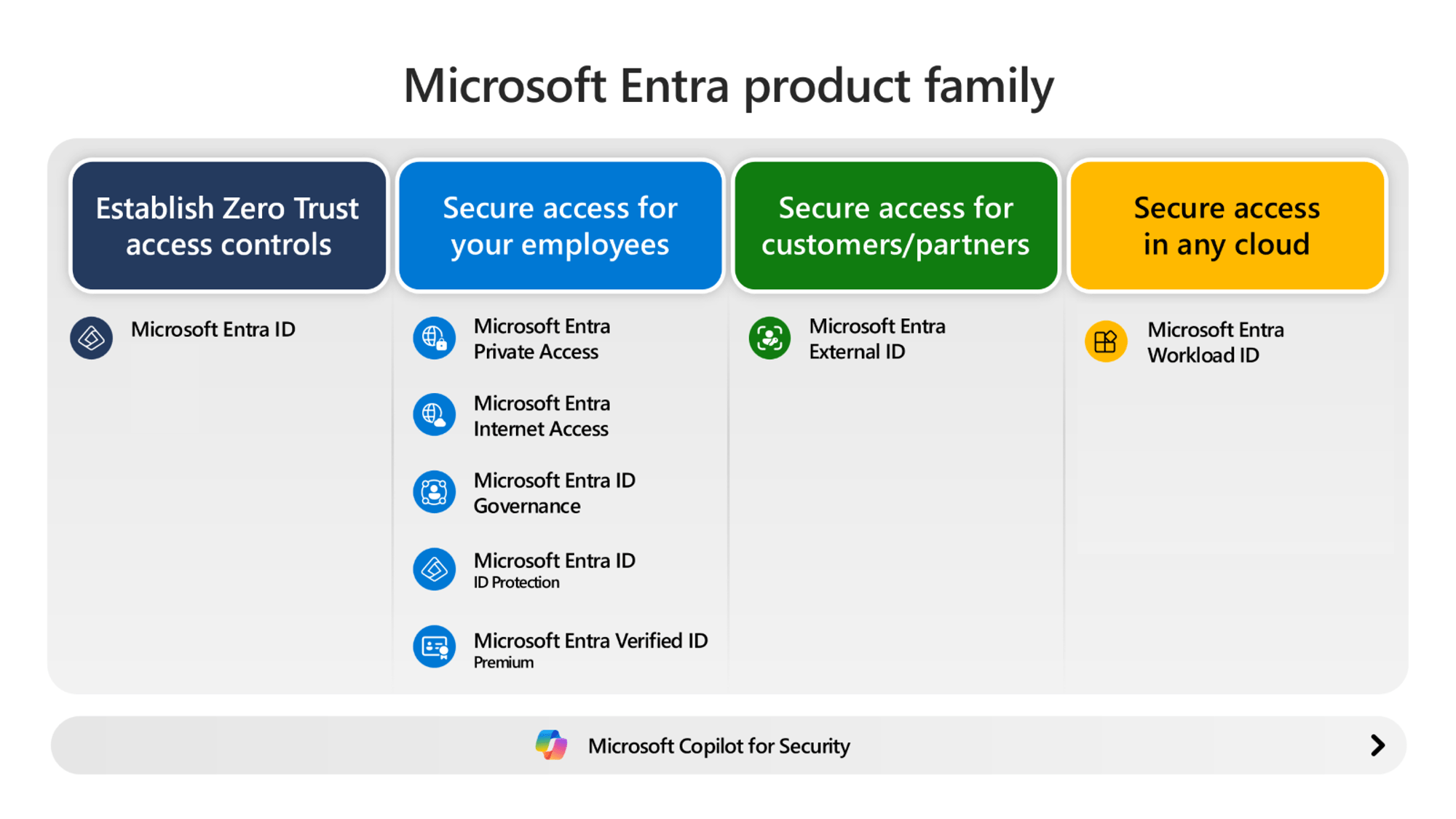
The Microsoft Entra ID vulnerability CVE-2026-69836 has received the highest possible CVSS severity score of 10.0, and Microsoft says attackers have already exploited the flaw in the wild. Because Entra ID sits at the center of authentication for Microsoft 365, Azure, and other cloud services, the disclosure deserves attention from both individual users and organizations.
Fortunately, Microsoft says the cloud-side vulnerability has already been fully mitigated, so customers do not need to install a special patch. However, the incident raises important questions about identity security, account protection, and what Microsoft 365 users should do next.
What Is the Microsoft Entra ID Vulnerability CVE-2026-69836?
CVE-2026-69836 is a critical remote code execution vulnerability affecting Microsoft Entra ID, Microsoft’s cloud-based identity and access management platform.
The vulnerability involves unsafe deserialization of untrusted data. As a result, an unauthorized attacker could potentially execute code remotely over a network.
The vulnerability received a CVSS 3.1 score of 10.0, the maximum possible severity rating. More importantly, Microsoft says the flaw was exploited in the wild before the public disclosure.
CVE-2026-69836 at a Glance
- Product: Microsoft Entra ID
- CVE: CVE-2026-69836
- Severity: Critical
- CVSS Score: 10.0
- Vulnerability Type: Remote Code Execution
- Weakness: Deserialization of untrusted data
- Exploited in the wild: Yes
- Customer patch required: No
- Current status: Microsoft says the vulnerability has been fully mitigated
What Is Microsoft Entra ID?
If the name sounds unfamiliar, you may remember it by its former name: Azure Active Directory, or Azure AD.
Microsoft renamed Azure Active Directory to Microsoft Entra ID, but the underlying identity platform continues to provide authentication and authorization services across Microsoft’s cloud ecosystem.
Microsoft describes Entra ID as a cloud-based identity and access management solution used to manage users and control access to applications, data, and resources.
In practical terms, Entra ID helps answer questions such as:
- Who is trying to sign in?
- Are the credentials valid?
- Is the user allowed to access this application?
- Should additional verification be required?
- Does the device meet the organization’s access requirements?
- Should access be blocked because the login appears risky?
Organizations using Microsoft 365, Azure, Dynamics 365, and many connected business applications rely heavily on Microsoft’s identity platform. Therefore, a serious Microsoft Entra ID vulnerability can have implications well beyond a single application.
Why the Microsoft Entra ID Vulnerability Is Rated 10/10
A CVSS score of 10.0 does not mean every Microsoft 365 account was compromised. However, it indicates that the technical characteristics of the vulnerability could have had severe consequences.
Remote code execution vulnerabilities are particularly concerning because they can allow an attacker to cause a vulnerable service to execute unauthorized code.
In this case, the vulnerability involved the unsafe handling of untrusted serialized data. Consequently, specially crafted data could potentially cause the affected service to perform actions that were never intended.
Furthermore, Entra ID is not an obscure application running on a handful of computers. It is a foundational identity service used throughout Microsoft’s cloud ecosystem.
That combination explains why CVE-2026-69836 received the highest possible severity score.
Was the Entra ID Vulnerability Actually Exploited?
Yes. Microsoft says CVE-2026-69836 was exploited in the wild.
That means the vulnerability moved beyond laboratory research and was used in real-world activity.
However, important questions remain unanswered publicly. At the time of publication, Microsoft has not provided a complete public picture of who exploited the vulnerability, how widespread the attacks were, when exploitation began, or which organizations may have been targeted.
Therefore, the phrase “exploited in the wild” should be taken seriously without assuming that every Microsoft Entra tenant was compromised.
Security reporting from The Hacker News and Help Net Security provides additional coverage of the disclosure and Microsoft’s mitigation.
Do Microsoft 365 Users Need to Patch CVE-2026-69836?
No.
This is one of the most important things Microsoft 365 users should understand about the Microsoft Entra ID vulnerability.
Unlike a Windows vulnerability that requires you to open Windows Update and install a security patch, Microsoft Entra ID is a cloud-hosted service operated by Microsoft.
Microsoft says the vulnerability has already been fully mitigated on its side. Therefore, customers do not need to download or install a CVE-2026-69836 patch themselves.
In fact, you should be suspicious of any website, email, advertisement, or download claiming to provide a special “CVE-2026-69836 Entra ID patch.”
There is no customer-side executable you need to download to fix this vulnerability.
Should You Still Check Your Microsoft 365 Account?
Although Microsoft says no customer action is required to remediate CVE-2026-69836 itself, the disclosure is still a useful reminder to review your identity-security practices.
Cloud security is not only about patching vulnerabilities. Increasingly, identity itself is a major security boundary.
Review Unusual Sign-In Activity
Organizations should pay attention to unexpected authentication activity, unfamiliar devices, unusual geographic locations, and other identity anomalies.
Microsoft provides sign-in and monitoring capabilities through the Microsoft Entra monitoring and health tools.
However, an unusual login does not automatically prove exploitation of CVE-2026-69836. Without additional evidence, suspicious authentication activity should be investigated on its own merits.
Protect Administrator Accounts
Administrative accounts deserve stronger protection because compromising one can provide access far beyond an ordinary user’s mailbox or files.
Therefore, organizations should limit unnecessary administrative privileges and avoid using highly privileged accounts for routine everyday work.
Microsoft also provides role-based access controls for Microsoft Entra ID that can help organizations apply the principle of least privilege.
Use Strong Multifactor Authentication
Multifactor authentication remains an important defense against stolen passwords and many account-takeover attempts.
Microsoft provides guidance for configuring multifactor authentication in Microsoft Entra ID.
However, MFA is not magic. Modern phishing attacks can sometimes target authentication sessions themselves. As a result, organizations should combine MFA with monitoring, user awareness, access controls, and stronger authentication methods where appropriate.
Review Conditional Access
Microsoft Entra Conditional Access allows organizations to make access decisions based on factors such as users, devices, applications, locations, and risk.
For organizations with appropriate licensing, Microsoft Entra Conditional Access can provide another layer between stolen credentials and sensitive cloud resources.
What Does “Deserialization of Untrusted Data” Mean?
The technical description of CVE-2026-69836 sounds complicated, but the underlying concept is easier to understand.
Applications often convert information into a format that can be transmitted or stored. Later, the software reconstructs that information into usable objects.
That reconstruction process is called deserialization.
The problem occurs when software accepts serialized information from an untrusted source and reconstructs it without adequately validating what the data contains.
Under certain circumstances, specially crafted data can cause software to perform unintended actions, including executing unauthorized code.
CVE-2026-69836 falls into this general class of security weakness.
For ordinary Microsoft 365 users, however, you do not need to understand the programming mechanics to protect your account. The important point is that this was a vulnerability in Microsoft’s cloud service, and Microsoft says it has already mitigated the flaw.
What the Microsoft Entra ID Vulnerability Means for Identity Security
One of the bigger lessons from the Microsoft Entra ID vulnerability is that attackers increasingly care about identity.
Years ago, many people thought about cybersecurity primarily in terms of viruses infecting individual computers. Today, however, gaining control of a trusted cloud identity can sometimes be more valuable than compromising the computer itself.
A stolen or hijacked identity can potentially provide access to:
- Microsoft Teams
- SharePoint
- OneDrive
- Business applications
- Cloud resources
- Administrative portals
- Other connected services
That’s also why modern cybersecurity training increasingly includes cloud identity, authentication, and access management.
If you’re interested in understanding Microsoft’s broader ecosystem, my guide to the best Microsoft training courses for 2026 covers Azure, Microsoft 365, SC-900, Power BI, Power Platform, and other Microsoft learning paths.
For people who want more hands-on defensive-security experience, my KC7 Cyber Review looks at practical threat hunting, investigation techniques, and KQL training from my own experience using the platform.
Don’t Confuse CVE-2026-69836 With Ordinary Microsoft 365 Phishing
CVE-2026-69836 is a vulnerability in Microsoft’s Entra ID service. That’s different from an attacker stealing someone’s password through a fake Microsoft 365 login page.
However, both situations demonstrate why identity systems are attractive targets.
Attackers routinely target email accounts and authentication because gaining access to a trusted identity can allow them to impersonate a real person and potentially access connected business systems.
We’ve seen the financial consequences of compromised email and identity workflows before. In our coverage of the nearly $500,000 Ocala email scam, the larger lesson was similar: trusted digital identities and communications can become powerful tools when criminals gain control of them.
Therefore, even after Microsoft fixes a cloud vulnerability, organizations still need strong authentication, sensible access controls, monitoring, and human verification.
Is Microsoft Entra ID Safe Now?
Based on Microsoft’s current guidance, CVE-2026-69836 has been fully mitigated and customers do not need to deploy a fix themselves.
That’s reassuring. Nevertheless, the disclosure that attackers exploited a maximum-severity identity vulnerability is worth paying attention to.
Microsoft has not publicly answered every question about the exploitation. Consequently, administrators and security researchers will likely continue watching for additional technical details.
For most Microsoft 365 users, the practical response is straightforward:
- Do not download unofficial CVE-2026-69836 “patches.”
- Keep multifactor authentication enabled.
- Pay attention to unexpected sign-in alerts.
- Do not approve authentication requests you did not initiate.
- Organizations should continue monitoring identity activity.
- Protect privileged administrator accounts carefully.
- Review Conditional Access policies where appropriate.
Frequently Asked Questions About the Microsoft Entra ID Vulnerability
What Is CVE-2026-69836?
CVE-2026-69836 is a critical remote code execution vulnerability affecting Microsoft Entra ID. The flaw involves unsafe deserialization of untrusted data and could potentially allow an unauthorized attacker to execute code remotely.
How Severe Is the Microsoft Entra ID Vulnerability?
The vulnerability received a CVSS 3.1 score of 10.0, the maximum possible score.
Was CVE-2026-69836 Exploited?
Yes. Microsoft says the vulnerability was exploited in the wild. However, public details about the attackers, attack scope, and exploitation method remain limited.
Do I Need to Update Windows?
No. CVE-2026-69836 affects Microsoft’s cloud-hosted Entra ID service rather than requiring an ordinary Windows security update.
Do Microsoft 365 Users Need to Install a Patch?
No. Microsoft says the vulnerability has already been fully mitigated and customers do not need to install a special patch.
Is Entra ID the Same as Azure Active Directory?
Yes. Microsoft Entra ID is the current name for the service formerly known as Azure Active Directory.
Does This Mean My Microsoft 365 Account Was Hacked?
No. Evidence that a vulnerability was exploited in the wild does not mean every Microsoft 365 or Entra ID customer was compromised.
The Bottom Line
The Microsoft Entra ID vulnerability CVE-2026-69836 deserves attention because it combines three significant factors: a 10.0 severity rating, remote code execution, and confirmed exploitation in the wild.
However, Microsoft says it has already fully mitigated the vulnerability in its cloud infrastructure. Therefore, Microsoft 365 and Entra ID users do not need to install a special customer-side patch.
The larger lesson is about identity.
Your Microsoft login is no longer merely a username and password. In many organizations, that identity can become the gateway to email, files, business applications, cloud infrastructure, collaboration platforms, and sensitive information.
Consequently, protecting identities with strong authentication, careful access controls, monitoring, and good security practices remains important even after Microsoft fixes the vulnerability that made today’s headlines.
Leave a Reply Cancel reply